Trees make our surroundings healthier, cooler, and more beautiful. They provide oxygen, absorb harmful gases, reduce noise pollution, and create natural shelters for birds and insects. In residential gardens and public spaces, trees also offer shade and improve the overall landscape. However, keeping trees healthy requires consistent maintenance and an understanding of their natural needs. Smart tree maintenance focuses on prevention, proper planning, and environmentally friendly gardening techniques.
1. Maintain Healthy Trees in Changing Climates
Climate conditions have a major influence on tree growth. Increasing temperatures, irregular rainfall, and unexpected weather changes can create stress for many species. Selecting trees that tolerate local climate conditions is an effective way to improve their survival. Monitor trees during unusually hot or cold periods and adjust watering and protection according to their needs.
2. Give Trees Enough Room to Grow
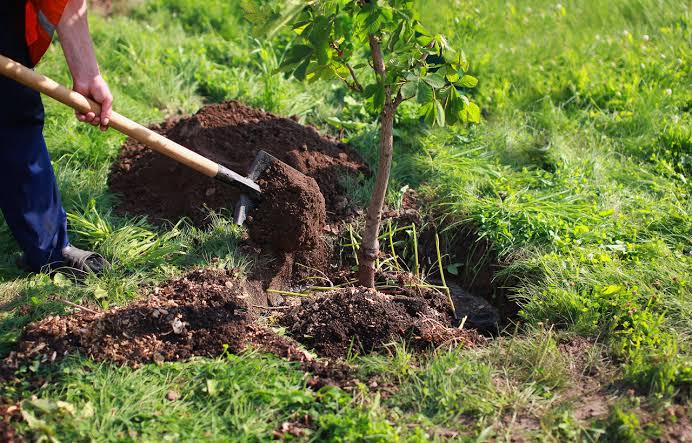
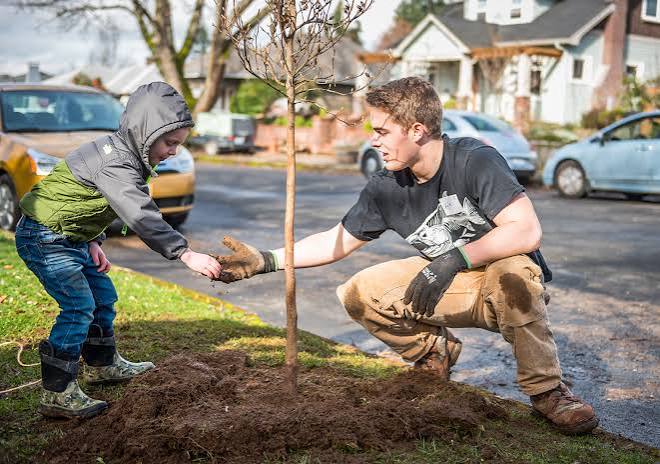
Limited space can affect the natural development of roots and branches. Before planting, consider the tree’s expected mature height and canopy width. Keep suitable distances from buildings, boundary walls, roads, and underground utilities. Proper spacing also allows sunlight and air to reach surrounding vegetation. Planning ahead prevents overcrowding and reduces the need for excessive pruning.
3. Understand the Importance of Root Flare Protection
The root flare is the area where the trunk widens and transitions into the main roots. This section should generally remain visible above the surrounding soil. Covering it with excessive soil or mulch can contribute to moisture-related problems and poor trunk health. During planting and routine maintenance, check that the root flare is not buried.
4. Use Organic Compost for Better Soil Health
Organic compost can improve soil structure and contribute nutrients that support healthy tree development. It also encourages beneficial microorganisms that help break down organic materials. Compost should be applied according to soil conditions rather than in excessive quantities. Avoid placing compost directly against the trunk, and maintain suitable growing conditions around the root zone.
5. Recognise the Effects of Air Pollution
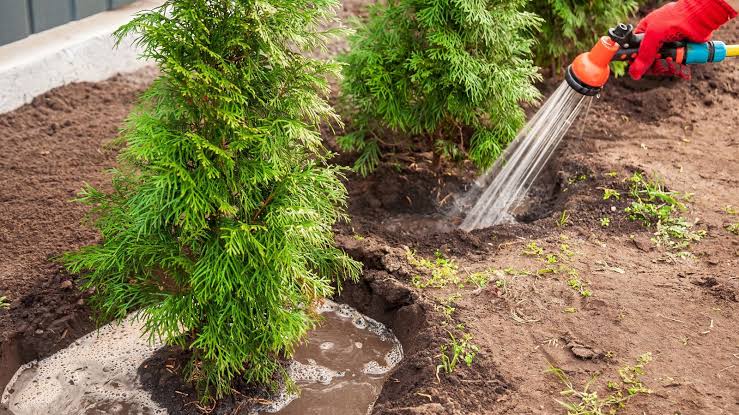
Trees in busy urban areas are frequently exposed to vehicle emissions, dust, and industrial pollution. These environmental factors may affect leaves and overall tree vitality. Washing accumulated dust from foliage with clean water may help in some situations, provided the species and conditions make it appropriate. More importantly, maintain healthy soil, protect roots, and select species suited to urban environments.
6. Protect Trees During the Monsoon Season
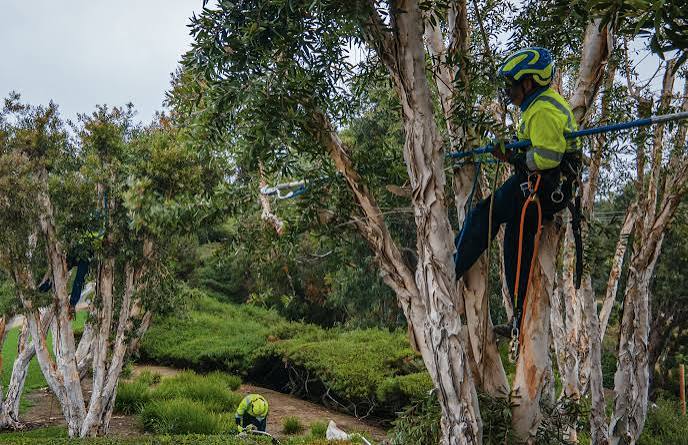
Heavy monsoon rainfall can create challenges for trees, particularly where drainage is poor. Waterlogged soil may reduce oxygen availability around roots, while strong winds can break damaged branches. Before the rainy season, inspect trees for visible structural problems and check surrounding drainage. After severe storms, arrange professional assessments for trees with major damage or instability.
7. Improve Tree Care Through Proper Mulching
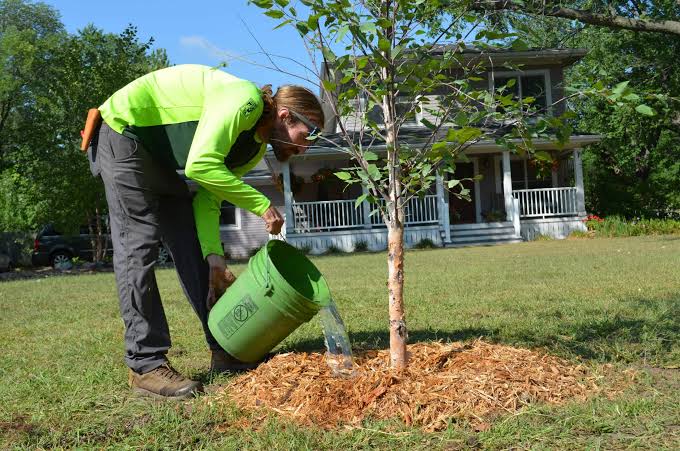
Mulching is an effective way to protect the soil surrounding trees. Materials such as wood chips, dry leaves, and suitable organic bark help retain moisture and reduce weed growth. Mulch also moderates soil temperature and gradually adds organic matter. Apply a moderate layer around the root zone while leaving space around the trunk.
8. Encourage Pollinators and Beneficial Wildlife
Trees support many important organisms, including bees, butterflies, birds, and beneficial insects. Planting flowering native species around trees can provide additional food sources and improve biodiversity. Avoid unnecessary pesticide use and preserve suitable wildlife habitats whenever possible. A diverse garden creates a healthier and more balanced ecosystem.
9. Schedule Regular Tree Inspections
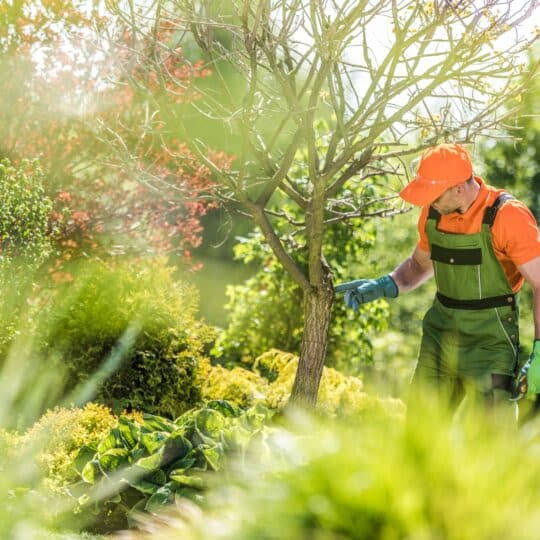
Routine inspections help identify problems before they become severe. Examine the leaves, branches, trunk, and surrounding soil for unusual changes. Look for deadwood, cracks, fungal growth, and signs of pest activity. Maintain a record of observations and contact a qualified arborist when serious concerns arise.
Conclusion
Smart tree maintenance combines proper planting, healthy soil management, suitable watering, and environmental protection. Paying attention to local climate, root development, seasonal weather, and wildlife can improve tree health and longevity. Regular inspections and responsible gardening practices help prevent unnecessary damage. By making tree care a consistent priority, we can protect natural resources and create healthier, greener communities for future generations.